
 On April 6th, Bocas Lit Fest launched the 100 Caribbean Books campaign. The organization invited readers to answer these questions on social media: What are the 100 Caribbean books that made us? What makes an unforgettable Caribbean read? Which books have meant the most to you, from childhood to adult life? I answered the call on Facebook and am giving reasons for my choices below.
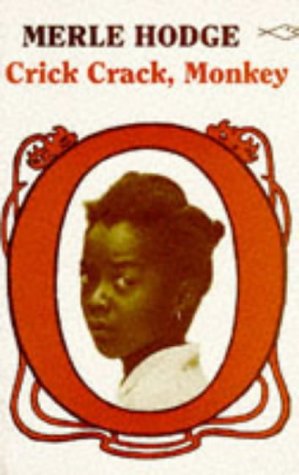
- Crick Crack Monkey – Merle Hodge
This is a seminal text on Trinidadian girlhood touching on classism, colorism and coming of age. Crick Crack Monkey was a young adult novel before the genre had been identified.
2. La Rue Cases Negres (Black Shack Alley) – Joseph Zobel
In this semi-autobiographical text, Zobel explores life in a poverty-stricken, agricultural village in rural Martinique. Jose, the protagonist, is a brilliant student who is coming of age while grappling with racism and classism. The text also has an important message about cultural preservation which I really appreciated.
3. Masters of the Dew – Jacques Roumain
Written in the Haitian peasant novel tradition is also set in an agricultural village, but the main character, Manuel, is imbued with an overt, political ideology after travelling to Cuba. Masters of the Dew is also one of the most sensual books I’ve read; each sentence is written with passion whether describing a landscape or love affair.
4. The Dragon Can’t Dance – Earl Lovelace
I was introduced to The Dragon Can’t Dance when it was serialized in the Trinidad Express in the early 2000s. As a high-school student, every week, I’d get on their website for an installment. Then, I borrowed it from the library for a second read and I’ve turned back to it many times thereafter. I believe Lovelace perfectly captured both the spirits of the rebellion and Carnival in this text. He brought the streets and life of East Port of Spain into popular public imagination.
5. Rituals of Power & Rebellion: The Carnival Tradition in Trinidad & Tobago 1763-1962 – Dr. Hollis “Chalkdust” Liverpool
In my Facebook post, the 5th spot was occupied by Walter Rodney’s How Europe Underdeveloped Africa. I decided to add a lesser known, but no less comprehensive text to the list here. Rituals charts the history of Carnival celebration from slavery straight to Independence. The research is unmatched. The text provides a detailed outline of the African roots of many aspects of the festival and the significance of protest as it relates to cultural retention.
6. University of Hunger – Martin Carter
Martin Carter was more than a poet and his ideology as a politician and political activist is definitely reflected in his writing. One of the aspects I appreciate most about his poetry is the manipulation of simple language which highlights complexities and make them relatable.
7. I Am Becoming My Mother – Lorna Goodison
I enjoyed this text which paid homage to women and traces ancestry through the female. Perhaps it was particularly enjoyable because I write about the women in my own family quite often in my work.
 8. In the Heat of the Day – Michael Anthony
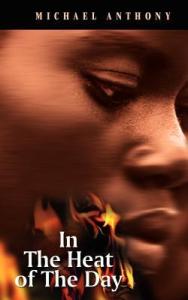
Most people who’ve added Michael Anthony to their lists have included his work Green Days by the River. While, I agree that Green Days is a Caribbean classic, I think In the Heat of the Day is just as important. It’s an excellently written novel weaving the lives of multiple characters into one narrative which fictionalizes the 1903 Water Riots in Trinidad. The riots were monumental as protests culminated in the burning of the Red House (parliament).
9. Breath, Eyes, Memory – Edwidge Danticat
As heartbreaking as the contents may be, this book is difficult, essential reading providing insight into the psyche of the abused. 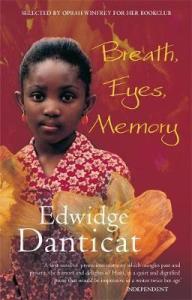
10. Small Island – Andrea Levy
Small Island is a tome of a tale written from multiple perspectives, a-chronologically. This alone seems a feat on top of which Levy added the much marginalized voice of black, Caribbean people/soldiers to the World War II record. 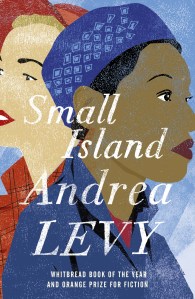
What books would you add to the list? Comment below or answer on any social media platform using the hashtag #MyCaribbeanLibrary.


Leave a Reply