 |
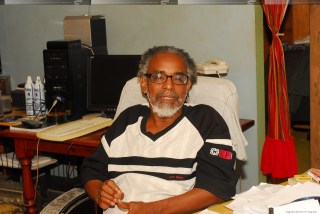
| Zeno Obi Constance |
Last month, distinguished Trinidadian author and playwright Zeno Obi Constance released a new book, The Man Behind the Music: The People’s Calypsonian, on the life and music of noted calypsonian Brother Valentino. Constance is a self-proclaimed calypso collector and has been studying Valentino’s work since his university days. This is part two of the interview first posted last week.
We need to just focus on doing music for ourselves then?Yeah we just do the music. The influences will always be there. We can’t stop influence. We say that Soca is turning to other people music, but the music has always been influenced and if you look at the history of Calypso you’ll see that the music has always been influenced. Over the years different things happen at different points in time. They had the barber shop style from the 1930s in America, they have the style that came with the 40s. American music being so close to us there will always be influences but I tell people as sure as today is Tuesday and yesterday was Monday tomorrow is going to be Wednesday and you could bet your life your child will ask you, “You used to listen to that stupidness
Fay-Ann singing?” because it will change again.
If you look at the history of Calypso there was Kalenda music, then it went to single tone, then double tone, then the narrative, then ballad and then
Shorty say Soca in ’75. By ‘96 that Soca went its way and there’s a new Soca now. Within the scale of the 200 years of Calypso music, next six seven years and a new breed will come who will say, “what’s this you listening to?” because even now they looking at the older ones and nobody respects the old Soca giants. But that’s how we are, we don’t promote our people we forget the contribution they make quite easily. We cannot bottle the joy we get when Lester Stewart win the boxing thing in
Jean Pierre Complex or when
Lara hit 400 runs. It was so good we cannot bottle it and sell it 30 years later. We have to be the ones 30 years later who make sure he does not have to walk the streets to make a living. It hurts me when we forget who Rodney Wilkes is. He went to three Olympic games won two medals in 1952 and now he’s old and can’t say, “Give me a $50,000 a month pension?” We have plenty money. You know what it took to go to two Olympics in those days? Spending your own money and that is critical to how we look at calypso. Calypsonians have no pension and we will forget soon.
What audience do you keep in mind when writing about calypso and Valentino in particular?
I don’t keep anybody in mind. When I finish the book I keep in mind which audience I sell it to because I’m very aware how difficult it is to get 2000 Valentino books sold. First of all, one problem with the book is that it looks like a book and Trinis don’t read. When I planned to do this I wanted it to look like a scrapbook but I ended up doing it like a normal book and that’s my first problem. It’s too well packaged. How am I going to get people to read who don’t read? It’s also a popularity thing. If I do a book on
Machel, I’d sell a thousand in a week or in two days. I mean you can’t say much about Machel because there’s no depth in it but it could sell.
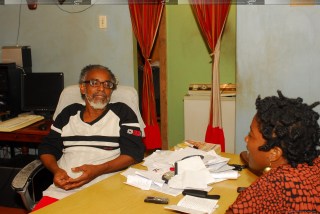 |
| Interview with Zeno Obi Constance |
Is Valentino forgotten already in that sense?
Remember in a society where we don’t remember the people who passed it is easy to forget. I talked to two people in their forties who asked me, “Valentino dead or he living?” They have no idea because they don’t listen to Calypso. They’re just drifting around and what the radio don’t play they don’t hear. They don’t make it their business and you know what is interesting? People see me as this walking encyclopedia because I know the things they supposed to know. I’ll give you the example of a boy in my class, 15 years, who knows every calypso. The other children say, “He know so much!” and I say, “No. He know what you supposed to know. You just know nothing.” And he was not a freak. He knows every dub song and hip-hop song that pass, but because of his father he learned about calypso. So if I sing “Nettie Nettie” he can respond. He knows every song. He was what Trinis are supposed to be like, knowing things around you.
You know what a girl told me once? How is it that I have cable and watch all these local shows. Because to her if you have cable that means you don’t watch local shows. It comes like you don’t want to watch anything that has to do with Trinidad & Tobago. I keep telling them that a day will come when they reach New York and somebody will say, “Ay Trini” and they won’t ask them about Movado they’ll ask them about Machel and they’ll know nothing at all and sound very stupid. But now they not sounding stupid because nobody knows nothing and they all together knowing nothing so they comfortable with each other knowing nothing.
Is like they’ve forgotten Calypso too.
Long time. We’re not like the Jamaicans who care about their own music and will play it to death. We glad not to play it. Another boy in my class was travelling in the car with his father and the father put on a
Sparrow and he was feeling so embarrassed. Imagine Sparrow
embarrassing you? But the society created that. They created all these radio stations that for the whole year they playing other people business. I put it like this to girls in my class: You have this boyfriend who all year tackling a next girl down the road and not studying you. When it’s your birthday he brings big gifts. What would you tell him? All the girls say, “I’d tell him to go with those gifts.” But they don’t tell
96.1 to go. All year they playing dub. That is an outside man, get rid of him! He’s not playing your music all year. I’m not saying you can’t play some dub, but you not even playing yours. You not saying in the middle of August let us hear a
Bunji. No, Bunji has to go outside to survive because you don’t care about yourself. We’re too small to say play what you want. We’re not America. We wouldn’t survive if you say play what you want.
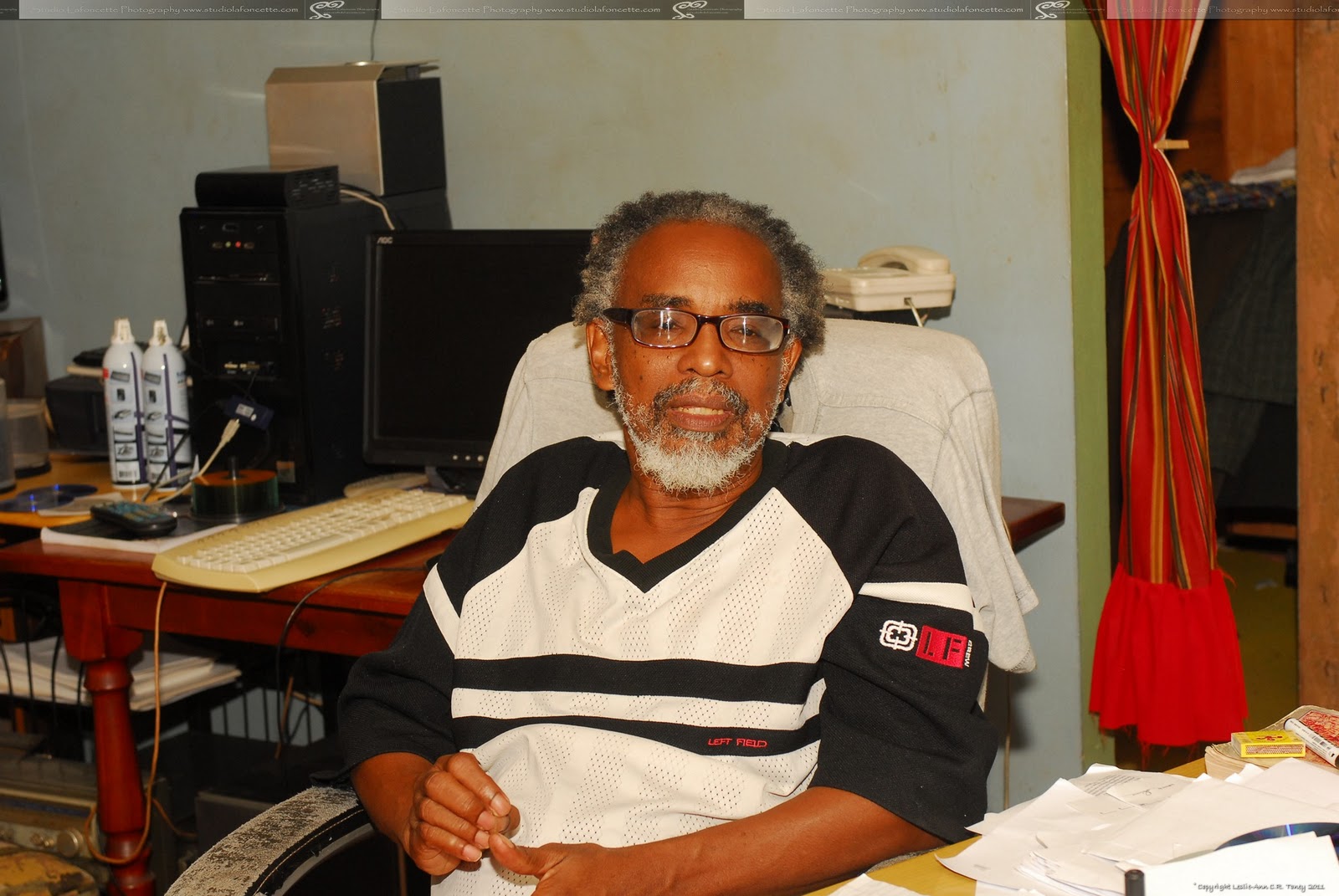
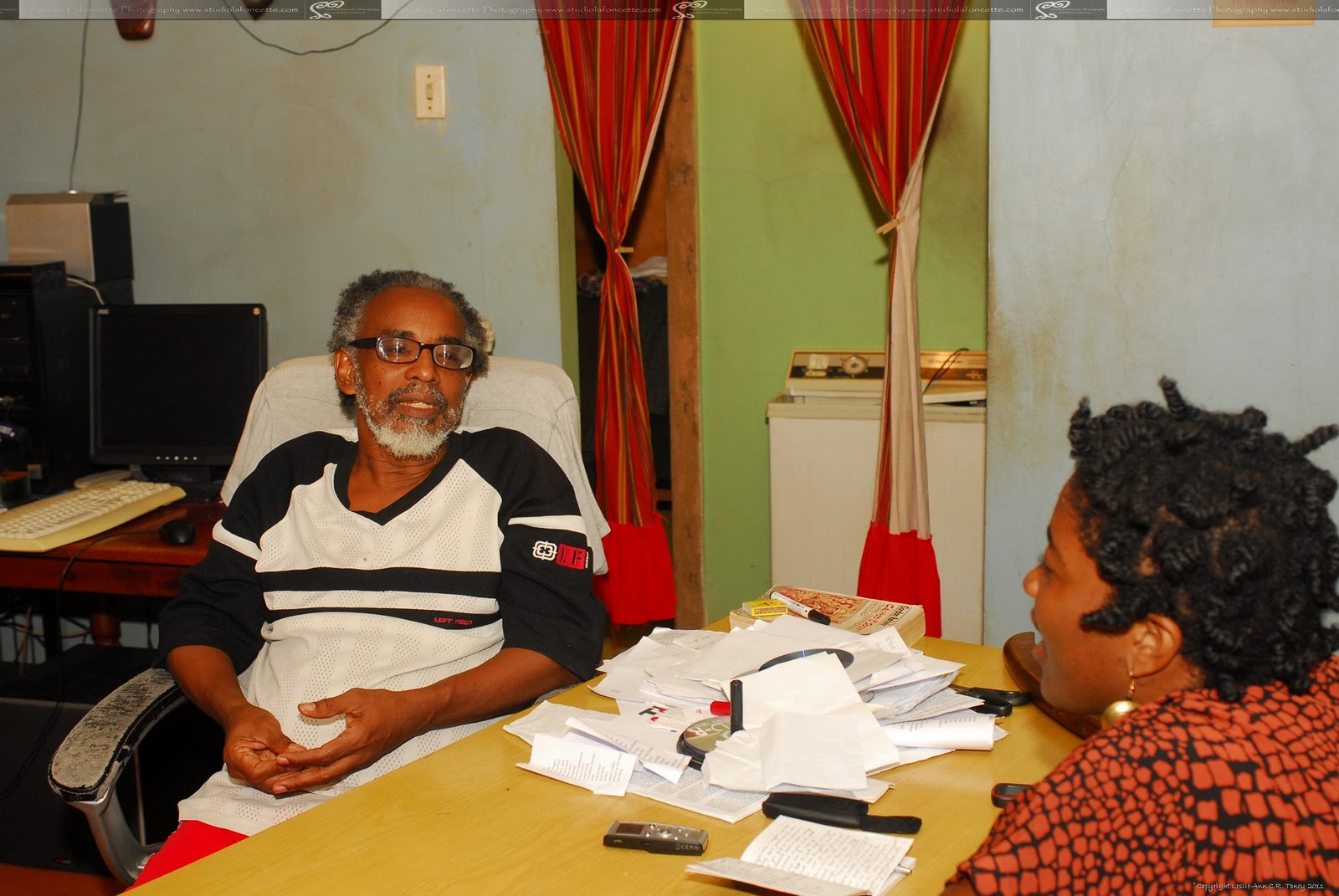
Zeno Obi Constance is without a doubt one of the most prolific writers of his generation. Although he has already added numerous plays and books to his portfolio. Zeno continues to produce work to his day and he shows no signs of exhaustion. He has been a teacher at the Fyzabad Composite School since 1977, is a playwright, author and basketball official. His books include another career biography of calypso icon Brother Valentino (Poet & Prophet 1984), Tassa, Chutney & Soca 1991 which outlines the East Indian contribution to the Calypso. He has also published a collection of fourteen of his plays in two volumes called Sheer Genius 1994. The book is available at major bookstores in Trinidad & Tobago or you can contact Constance via Facebook.

 Zahra Gordon
Leave a comment